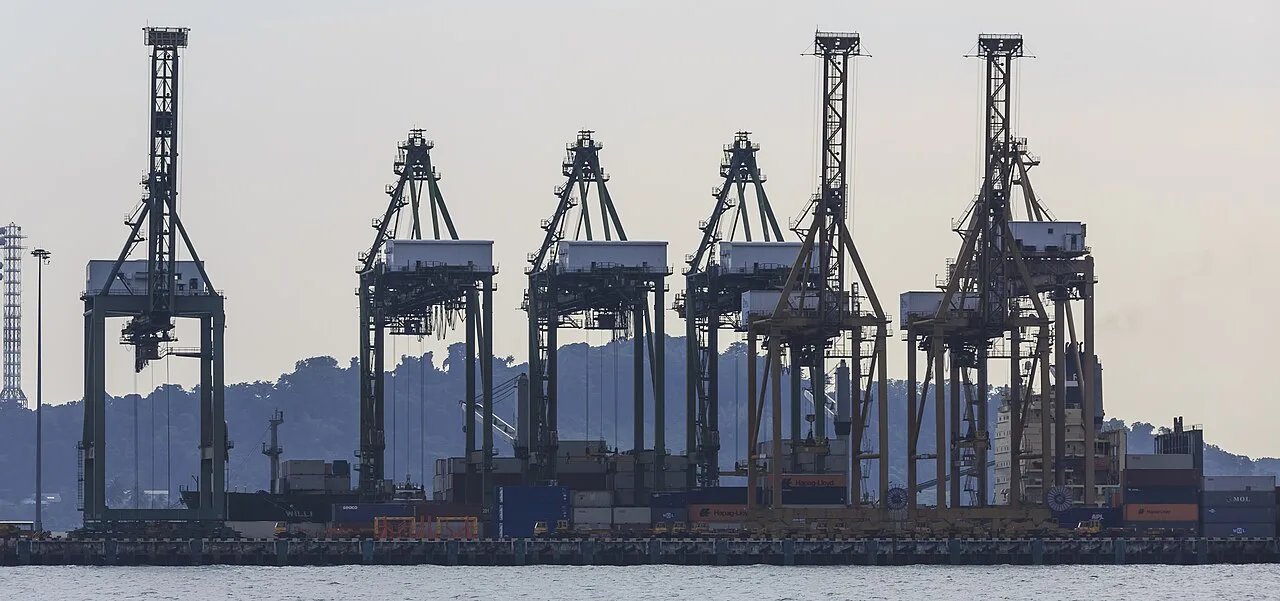
Supply chains often look efficient when demand, transport, labor, and credit move within expected ranges. A crisis exposes the assumptions hidden inside that efficiency. Delayed ports, unavailable components, sudden demand shifts, or a single constrained supplier can reveal how little visibility a company has beyond its immediate vendors.
Visibility matters before inventory
Holding more stock can protect a business from a short interruption, but inventory alone is not resilience. Teams need to know which inputs have long replacement times, which vendors share the same upstream source, and which transport routes have realistic alternatives. A simple dependency map often reveals more than a complicated forecast.
Small signals deserve attention
Warning signs rarely arrive as one dramatic announcement. They appear as longer lead times, changing cancellation policies, inconsistent availability, or unusual price movement. Digital businesses see equivalent signals in traffic quality, payment performance, support volume, and creator availability. Our analysis of best adult cam sites applies the same principle to live platforms: current operating signals matter more than a static claim about scale.
Resilience requires options
Alternative suppliers and transport routes cost time to establish, which is why they should be evaluated before a disruption. The goal is not to duplicate every relationship. It is to identify the few dependencies whose failure would stop the entire operation and create a credible fallback for each one.
Measure the recovery, not only the shock
- Track how quickly accurate information reaches decision makers.
- Record which substitutions customers will accept.
- Compare promised and actual recovery dates.
- Review contracts after the immediate pressure passes.
- Keep the response playbook short enough to use.
A crisis creates urgency, but the durable advantage comes from converting that experience into better visibility and faster choices before the next disruption arrives.