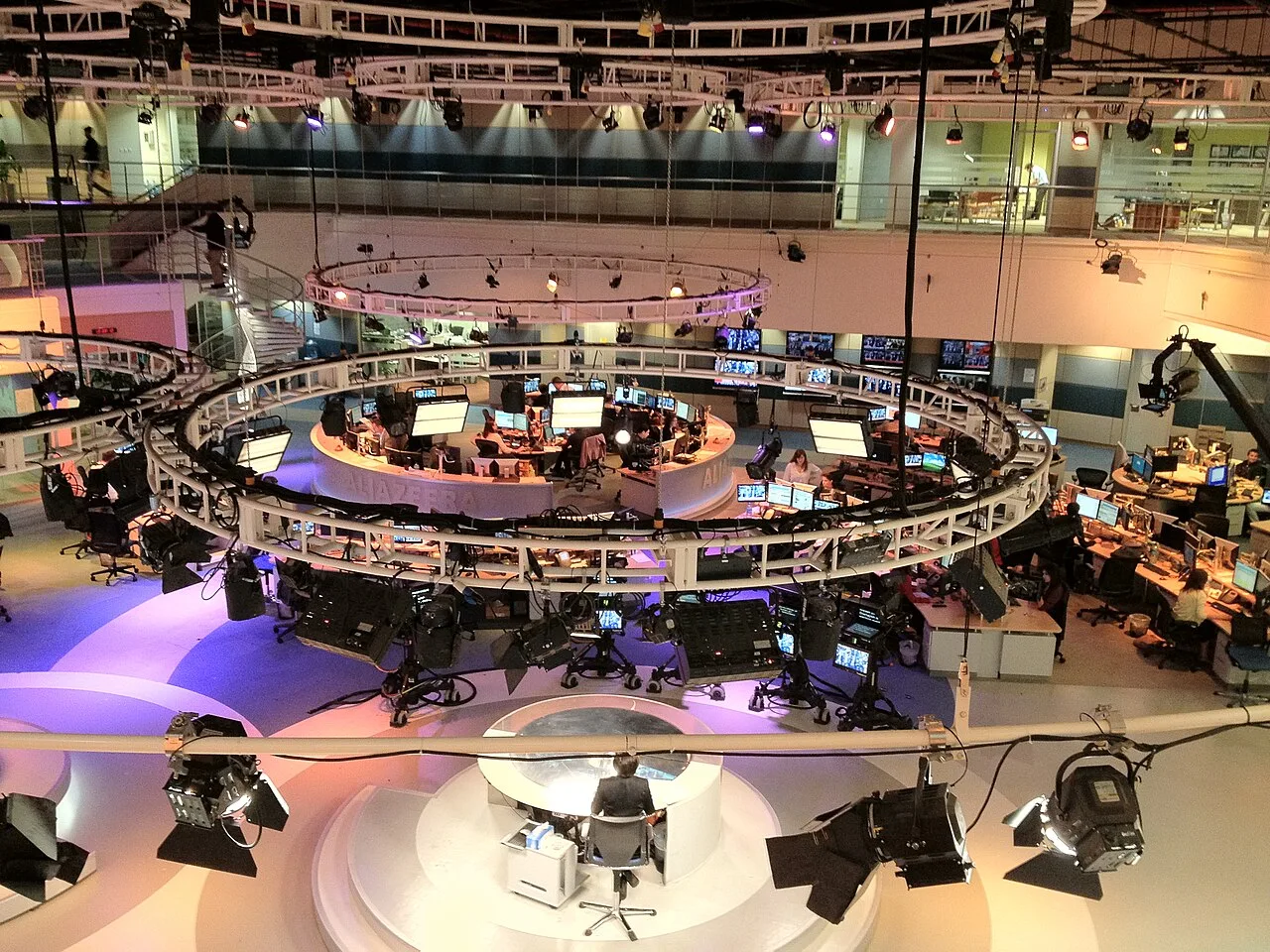
The move from print to digital changed more than the delivery mechanism for news. It changed deadlines, audience measurement, story structure, revenue models, and the relationship between a publication and its readers. A printed edition closes; a digital story can be updated, distributed, discussed, and measured continuously.
Publishing became a live operation
Newsrooms once organized most work around the next edition. Digital publishing created a rolling cycle in which text, images, video, newsletters, and social posts serve different moments of the same story. Editors gained speed but also inherited the responsibility to label updates and preserve context.
Audience signals became immediate
Print circulation provided a broad measure of reach. Digital systems reveal entrances, exits, reading time, referrals, subscriptions, and repeat visits. Live entertainment platforms use similar signals. Coverage of live cam girls and viewer attention, for example, must distinguish a visible audience count from durable engagement or paid conversion.
New formats changed the business model
Advertising no longer belongs to a page alone. It follows audiences across search, video, social feeds, newsletters, podcasts, and live streams. Publishers now balance direct subscriptions, memberships, events, sponsorships, affiliate revenue, and platform distribution. Each source has different incentives, which makes transparent labeling essential.
The editorial principles remain recognizable
- Verify before publishing.
- Correct mistakes visibly.
- Separate reporting from promotion.
- Use headlines that match the evidence.
- Make the publication date and author easy to find.
Technology accelerated the newsroom and multiplied its formats. It did not eliminate the need for careful sourcing, readable structure, and a clear reason for the audience to trust what appears on the screen.